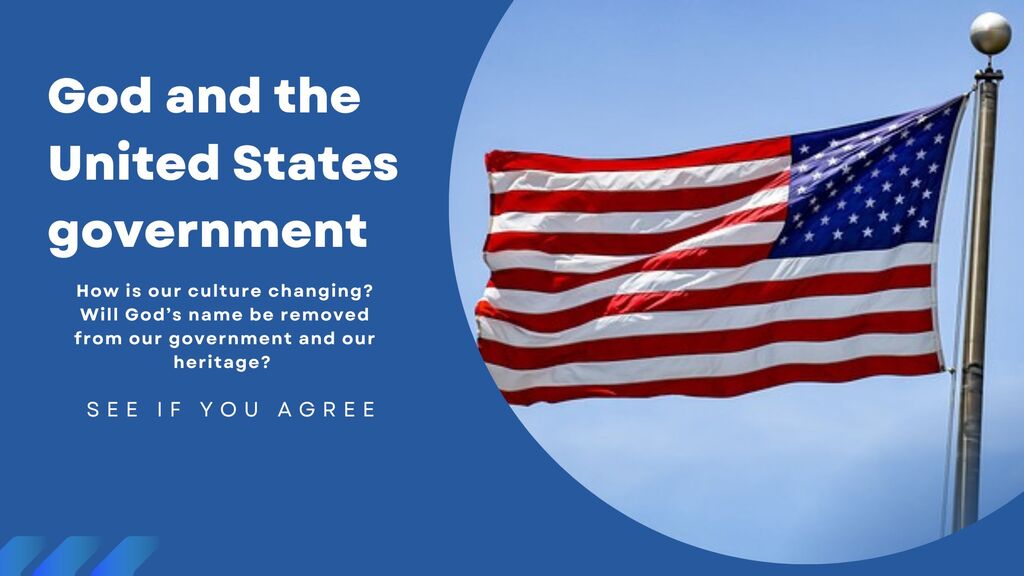
Did you say it at school? I did. Every day, before classes started, we stood at our desks and faced the flag, put our right hand over our hearts, and recited it.
“I pledge allegiance to the Flag of the United States of America, and to the Republic for which it
stands, one Nation under God, indivisible, with liberty and justice for all.”
What do the words to the Pledge mean? “Understanding the Meaning of the Pledge of Allegiance Words”
on the Historyplex website gives the following definitions:
I pledge allegiance — I promise my loyalty
to the Flag of the United States of America — to the Flag symbolizing the USA, and all of its 50 states,
and to the republic for which it stands — a country where people have the right to choose their
representatives to form the government,
one nation — a united nation
under God — God willing / having faith in God
indivisible — a country that cannot be divided
with Liberty — personal freedom
and Justice — fair treatment from the law
for all — for each and every citizen of the country
As noble as these words seem, they were not always practiced. The 14th Amendment, which guaranties civil liberties to all citizens of the United States, was ratified in 1868. However, it took many years and much more legislation to make its guaranties a reality.
The 1950s through the 1960’s, and maybe the 1970’s, were times of racial tension. Race riots, demonstrations, protests, and marches disrupted life in many cities. Minority citizens had to fight for their right to vote, fair treatment from the law, and often, their personal freedom. They often faced discrimination in their right to vote, fair and equal employment, equal public accommodations, getting loans, equal education, and their rights in the military. The United States of America was a divided nation.
The Civil Rights Act of 1964 included many provisions which protected individuals from discrimination based on race, color, religion, gender, and national origin. Since then, the federal government has enacted more legislation to stop discrimination in education because of race, disabilities, gender, religion, age, sexual orientation, and national origin. Read about them in this article by Taylar-Simone McCants, J.D.
Passing legislation to prohibit discrimination is one thing, but enforcing the rights of citizens is another. Sixty years after the passage of the Civil Rights Act of 1964, Americans still suffer because of discrimination. We have not ended mistreatment of others because they are different. Perhaps that is because love for our fellow man cannot be legislated. Hatred and mistreatment of others will stop only when the people of our nation have Christ’s love in their hearts.
In my book Finding Her Joy, you will meet Reggie, an African American who suffers from much discrimination. See how his Christian character overcomes his trials.
According to Wikipedia, all states except Nebraska, Hawaii, Vermont, Nebraska, West Virginia, and California require their schools to have their students say the Pledge, but I wonder if they do. One of my grandsons does not say it at his school.
Why would a state not require their students to say it? The reasons are varied. One is that some believe very small children (kindergarten through ??) do not understand the words of the pledge and cannot swear allegiance to our country or its flag. And many of the children in our public schools are from another country, and we cannot force them to swear allegiance to our flag and country. Another reason is that requiring or promoting the words “under God” goes against the freedom of religion clause in the First Amendment. For example, Jehovah’s Witnesses believe that swearing loyalty to any other power but God is blasphemy. A student in New Jersey argued that the phrase “under God” made unbelievers feel like “second-class citizens.”
Different versions of The Pledge of Allegiance have existed since 1885, but it was not said in schools until 1892. It was adopted by Congress in 1942. The phrase “In God We Trust” was made a part of the pledge in 1954. In 1956, President Eisenhower signed a law that made it our nation’s official motto and mandated that it be on our money.
Many say the pledge violates our separation of church and state. If that is the case, so does our paper money and coins with the motto “In God We Trust” printed and engraved on them. “In God We Trust” is also the national motto of the United States. Consider the last three lines of the fourth stanza of our national anthem, “The Star-Spangled Banner”:
And this be our motto: "In God is our trust":
And the star-spangled banner in triumph shall wave
O'er the land of the free and the home of the brave.
Historians have commented on the influence the Bible and our country’s founding fathers’ belief in God played on the development of the Declaration of Independence and the Constitution and its Bill of Rights. The Bible-Inspired Influences on the U. S. Constitution and Bill of Rights - American Heritage Education Foundation, Inc. It was difficult for those settlers who came to our land from Europe to leave religion out of our government. In many cases, they came because of religious oppression.
Does “In God We Trust” as our national motto violate the Establishment Clause of the First Amendment that calls for separation of church and state? The United States Supreme Court has ruled that it does not. Might it be that in the future these mottos will be replaced by words that are less offensive to some?
Why? According to several websites, the largest group of non-Christians label themselves as “Nones.” That does not mean they are atheists, but they do not consider themselves a part of any religious group. Other non-Christian groups include Islam, Hinduism, Buddhism, Shinto, Sikhism, and Judaism. Islam is the fastest growing group in the United States. They come here to pursue economic and political advancement, according to “Visualized: World’s Major Religions from 1945-2019”.
Is there a place for a “civil religion” that believes in the one true God in America? Will the Pledge of Allegiance disappear from our land? Because reciting the Pledge is controversial, students are not required to say “one nation under God” in school. As we have noted, five states have outlawed forcing children who do not want to repeat it to say it. If your children do not cite the Pledge of Allegiance at school, what will they lose? A sense of nationalism and loyalty to their country, the United States of America? Knowledge of what our country and flag promise to represent? Hearing God’s name and realizing the importance of His laws and doing His will? If these values are not taught in our schools, what could happen?
In my World Eternal book series, a foreign government takes over the United States, and then, the world. Not one battle is fought. Not one shot is fired. A small group of Christians are the only ones who realize the enemy’s insidious plans. The world nearly loses everything people hold dear. Could it really happen? You might be surprised at how easily it could. All it would take is a charismatic leader who promises us everything.
It happened in Germany through Nazi propaganda and censorship, even lowering the price of radios so people could listen to Hitler’s speeches. They glorified Hitler and outlawed free speech about the government. They spread negative, anti-Semitic views about Jews in all kinds of media. They spread Nazi ideas through youth groups that taught Nazi ideals, and they burned school textbooks and replaced them with books that taught Nazism. Very few people dared speak against their tactics, and those who did, such as Dietrich Bonhoffer, were killed.
Nazi Propaganda and Censorship | Holocaust Encyclopedia (ushmm.org)
